

5 common grades of leather
Understanding leather is crucial in a world filled with mass-produced items, as it can be challenging to differentiate between high-quality leather and imitations. When I mention Italian leather, the most frequent question I get is, "What's the difference?" This has made me realize that while I understand the quality of the leathers I select for my craft, others may not be fully aware of the various qualities that leather offers, such as durability, texture, and tanning process.
This article, "5 Common Grades of Leather," I will explain the differences between Full-grain leather, Top-grain leather, Split-grain leather (suede), Genuine leather, and Bonded leather. Each type of leather has its specific uses. More importantly, understanding these differences can inform your next leather purchase. Leather varies from less expensive options to high-quality, durable leather that represents a worthwhile investment.
Full-Grain leather
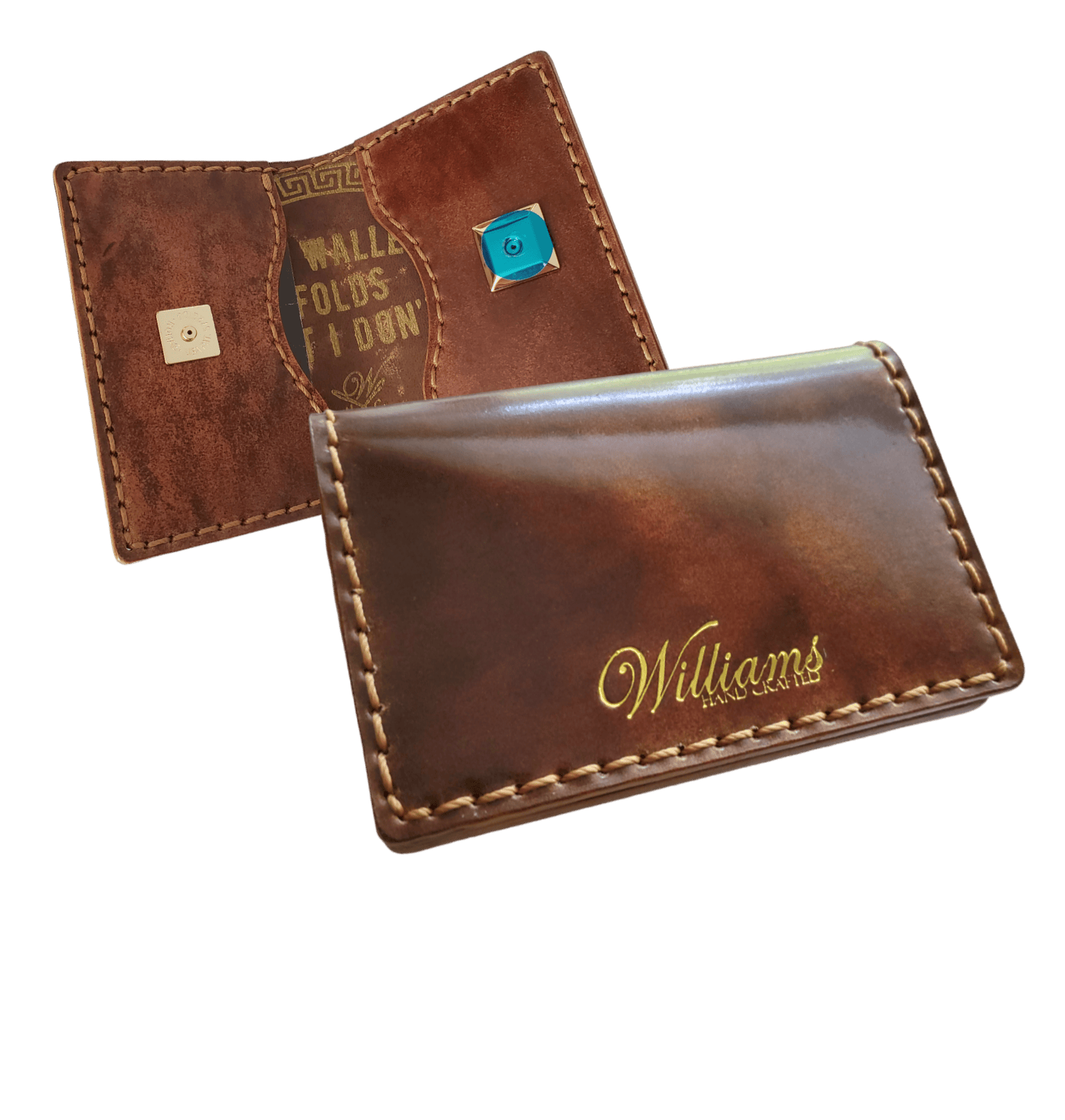
Full grain leather is recognized as the premier class of leather. It is crafted from the uppermost layer of the hide and retains the complete natural grain, providing a distinctive texture that contributes to its remarkable strength and longevity. Unlike other leather grades, full grain leather is neither sanded nor buffed to conceal blemishes, thus preserving the hide's authentic traits and blemishes. Over time, it acquires a patina, which not only enhances its beauty but also increases its value. Full grain leather is the material of choice for luxury leather goods, including furniture, footwear, and handbags, where both resilience and aesthetic appeal are prized.
Top-Grain leather
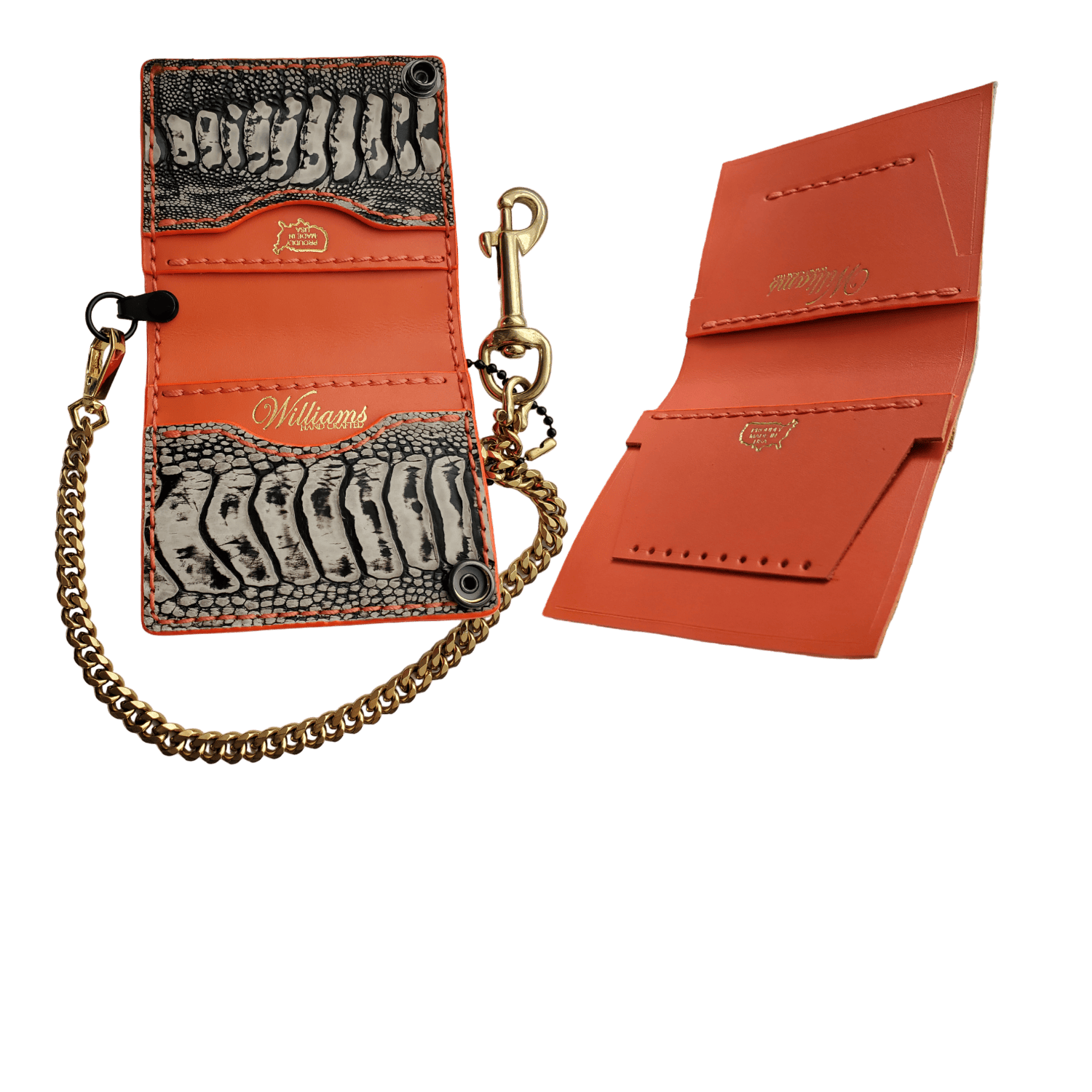
Top grain leather ranks as the second-highest quality type, just below full grain leather. This leather is crafted from the uppermost layers of the hide and undergoes a sanding process to eliminate imperfections, resulting in a consistent and smooth finish. The sanding not only enhances the leather's aesthetic but also renders it thinner and more flexible, which is beneficial for various uses. Once sanded, an artificial grain is often embossed onto the leather, ensuring uniformity in pattern and hue. Although top grain leather may not match the durability of full grain, it still maintains commendable resilience and suitable for a wide array of products. Its increased pliability compared to full grain leather simplifies the manufacturing process. Top grain leather is a popular choice for items such as wallets and briefcases, where the equilibrium of quality and affordability is crucial. Additionally, it is relatively low-maintenance and does not develop the distinctive patina characteristic of full grain leather over time.
Split-Grain leather (Suede)
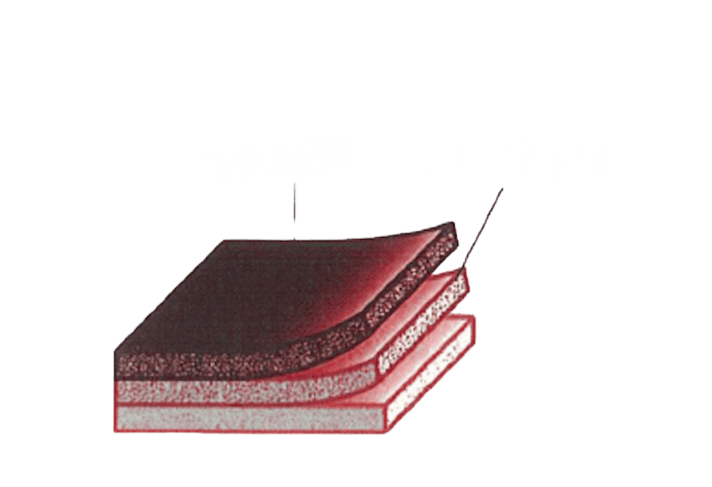
Split grain leather, commonly referred to as split leather, is manufactured from the sub-layers of an animal hide once the top grain has been separated. This type of leather is noted for its fibrous texture and reduced density compared to the top layer, influencing both its tactile quality and durability. The finishing process can yield a variety of textures, from suede-like softness to a tougher, more resilient surface. Its thinner composition enhances its flexibility and makes it a cost-effective option. Split leather can either retain its natural texture or undergo embossing to mimic the appearance of full-grain leather, enhancing its aesthetic value. Although it does not match the durability of full or top grain leather, split leather provides adequate longevity for numerous applications. It is frequently utilized in the production of work gloves, furniture upholstery, and more economical leather items where the superior durability of full grain leather is not a prerequisite. Additionally, it is the primary material used in crafting suede.
Genuine leather
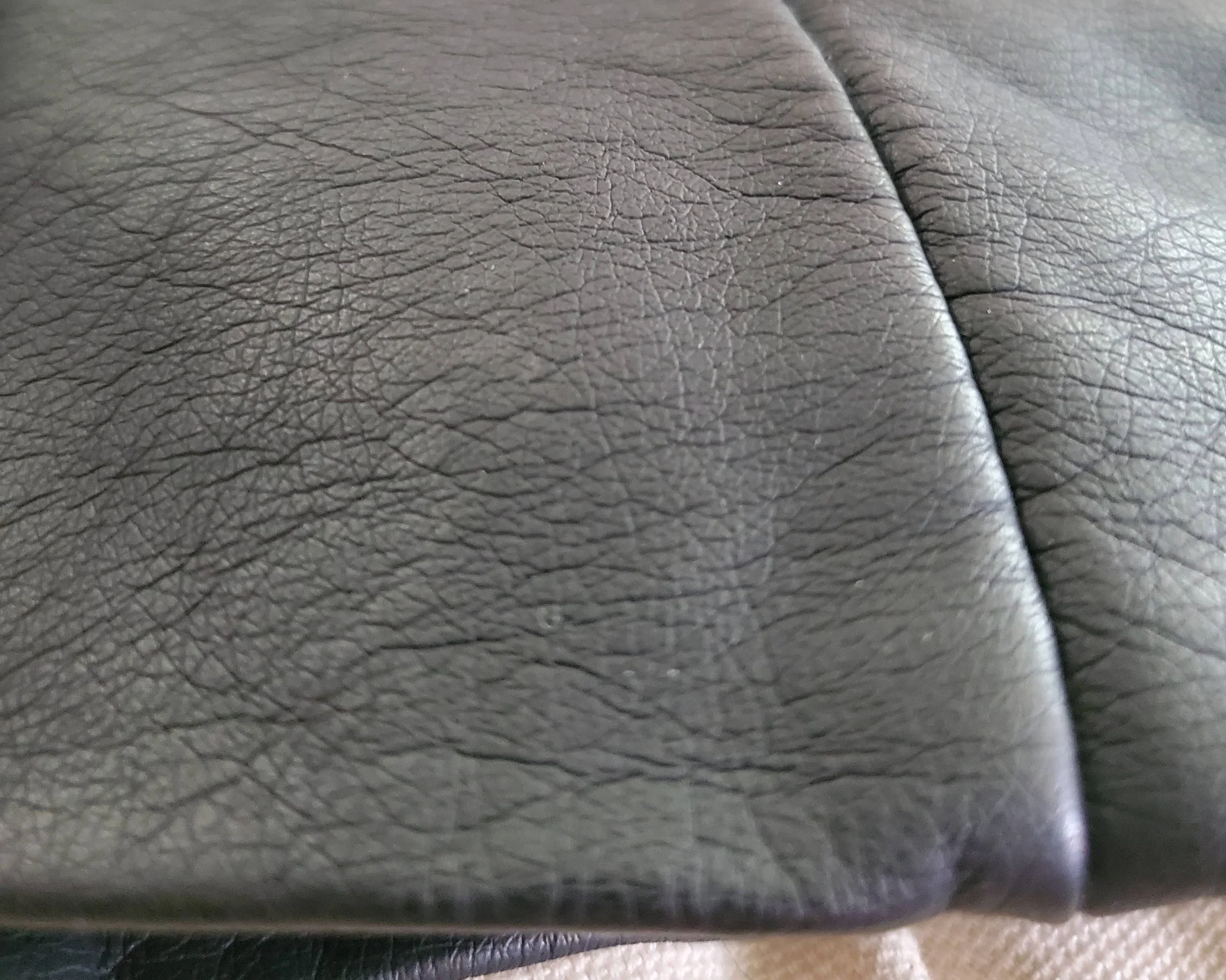
The term "genuine leather" often leads to misunderstandings due to its seemingly positive connotations. In reality, it is regarded as the lowest grade of leather when placed alongside full grain and top grain varieties. Genuine leather is crafted from the remnants of the hide remaining after the superior top layers have been allocated for full grain and top grain leather products. This type of leather may incorporate the middle layers of the hide, situated between top grain and suede, and is occasionally combined with leftover leather pieces and synthetic materials. The appearance of genuine leather can significantly differ, lacking the consistency found in higher-quality leathers, and it may also consist of bonded leather. In terms of durability and longevity, genuine leather falls short when compared to its full grain and top grain counterparts, tending to deteriorate more swiftly. Nonetheless, genuine leather items are typically more budget-friendly, offering a range of applications. Commonly utilized in the manufacture of wallets, purses, handbags, briefcases, and footwear, particularly within the more economical price brackets, genuine leather provides the aesthetic and tactile sensation of leather without the enduring quality and robustness of premium leather selections.
Bonded leather
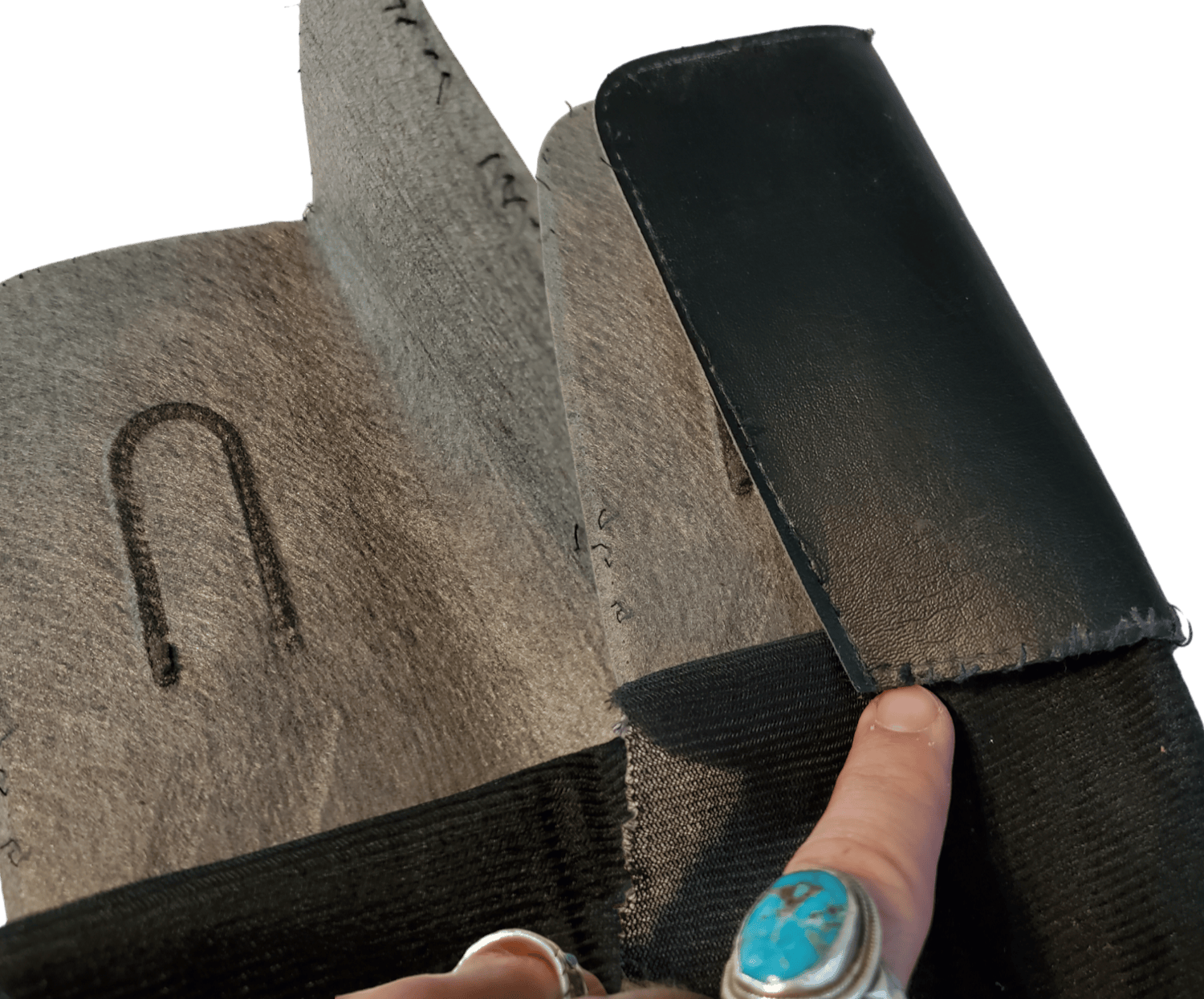
Bonded leather, often referred to as reconstituted or blended leather, is a composite material with a portion of genuine leather fibers bonded with a polyurethane binder. These fibers are usually the remnants from the manufacturing of more premium leather grades. This material is created by combining shredded leather scraps and a binder, typically polyurethane, and can be embossed to replicate the texture of authentic leather. Although it is less durable than full grain or top grain leather and may peel or flake over time, bonded leather is generally more affordable due to its composition. It is frequently utilized in the production of furniture, accessories, and bookbinding’s, particularly when cost reduction is essential. Despite bonded leather's ability to imitate the look of real leather at a reduced cost, it lacks the strength, durability, and patina development characteristic of higher-quality leathers.
Understanding leather will give you the confidence when purchasing your next leather accessory
Gaining an understanding of leather is key to making informed decisions when selecting leather goods. The art of leather craftsmanship highly regards the material's quality and characteristics. At the pinnacle of the leather hierarchy sits full-grain leather, renowned for its durability and the graceful patina it develops over time, reflecting its authenticity and the intactness of the hide's outer layer. Following closely is top-grain leather, which offers a harmonious blend of superior quality and versatility. Its buffed surface yields a more uniform look while preserving considerable sturdiness. Split-grain leather, derived from the hide's lower layers, presents an economical option that retains a respectable level of pliability, often utilized in suede products. Contrary to its name, genuine leather is deemed a lower-tier material, composed of various hide layers and frequently blended with synthetic materials to simulate the appearance of higher-quality leather. Bonded leather stands as the most budget-friendly selection, crafted from scrap leathers bound with a polyurethane binder, catering to those desiring the leather look without the substantial cost. Each grade of leather fulfills a distinct role, ranging from the luxury of full-grain to the practicality of bonded leather, offering choices for every taste within the vast domain of leather merchandise.
