

10 best Exotic skin choices for small leather goods?
The realm of handcrafted leather goods is rich with a diverse array of exotic skins, each boasting its own set of distinctive characteristics and advantages. From the luxurious allure of alligator skin to the distinctive texture of ostrich, the options are plentiful. Diving into the unique properties of these exotic leathers can greatly enrich the selection process, ensuring a choice that aligns with both aesthetic preferences and functional needs. Whether it's the durability and elegance of crocodile leather, the versatility and resilience of lizard skin, or the softness and natural patterns of python, each type of exotic leather brings its own story and essence to the final product.
-
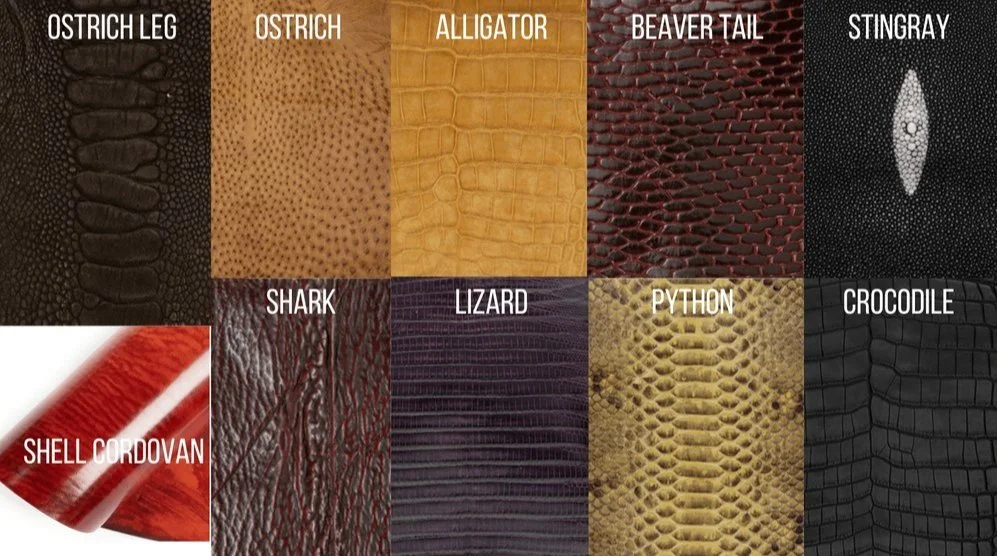
Alligator leather is prized for its unique texture, featuring a rugged and uneven surface that adds depth and character to any crafted item. Celebrated as one of the most durable materials, it boasts a strong yet elastic composition that promises longevity. With proper care, alligator leather items can last for decades, often surpassing the lifespan of their owners. Its rarity and sourcing difficulties justify the premium cost, making it a symbol of luxury and wealth. Alligator leather's suppleness and flexibility also provide superior comfort. However, adhering to proper care instructions is essential to maintain its outstanding quality over time.
-
Crocodile leather is prized for its unique scale patterns, as distinctive as human fingerprints, ensuring the singularity of each crafted item. Naturally toughened to withstand harsh conditions, it provides a material that resists wear and tear. The durability of crocodile leather is enhanced by its suppleness and smoothness, distinguishing it from other reptile skins. Its resilience and tactile pleasure make it a favored material for high-end products. The leather's distinct pattern and luxurious feel add to its sophisticated appearance, symbolizing refinement. To maintain its premium quality, crocodile leather necessitates routine maintenance, such as dusting and conditioning. Crocodile leather stands out for its combination of aesthetic appeal, toughness, and rarity, making it an outstanding choice for exclusive leather goods.
-
Ostrich leather is renowned for its distinctive texture that sets it apart from other leathers. Derived from the world's largest bird, the ostrich, the leather retains unique bumps where feathers once were, creating a pattern that's nearly impossible to duplicate. Thinner yet stronger than cowhide, ostrich leather boasts natural oils that enhance its durability and flexibility, ensuring it stays soft and resilient. Its inherent resistance to water and other liquids, along with a complex tanning process, justifies its premium cost. The crown, where the quill follicles are most concentrated, is especially prized. For those in search of a wallet or a handbag, ostrich leather offers a perfect blend of luxury, durability, and functionality.
-
Ostrich leg skin stands out as a superior material for crafting small leather goods, thanks to its distinctive texture and exceptional properties. This type of leather is not only incredibly durable but also remarkably soft and flexible, offering a touch of luxury to high-end products like wallets. Its unique pattern and natural elegance make it a sought-after choice in the fashion industry. Sourced from ostriches raised for both meat and leather, this material reflects a commitment to sustainable practices, ensuring no part of the bird goes to waste. The combination of resilience, softness, and visual appeal makes ostrich leg skin a prime choice for creating sophisticated leather items.
-
Python skin is a superior material for crafting small leather goods, thanks to its distinctive scale pattern and resilience. The unique scale design provides an attractive texture that enhances the product's individuality. Despite its refined look, python skin is robust and withstands wear well due to its interlocking scales. It's also lighter than other exotic leathers and has a soft feel, adding a touch of luxury. With appropriate maintenance, the beauty of python skin can be maintained over time. Products made from python skin are often sourced from farms dedicated to raising snakes for both their skin and meat. To ensure the longevity of python skin items, it's crucial to clean and condition them regularly and protect them from extreme conditions, ensuring they remain in pristine condition.
-
Beaver tail leather stands out as an exceptional material for crafting small leather goods. Its distinctive reptilian pattern is not only visually striking but also highly sought after by artisans. Beyond its aesthetic appeal, beaver tail leather boasts remarkable resilience, capable of enduring daily wear and tear with ease. Additionally, it possesses inherent water-resistant qualities, providing a substantial level of protection against moisture. Sourced from beavers that are sustainably and humanely harvested during regulated seasons, specifically in regions where they pose environmental challenges, beaver tail leather is an ethical choice. For those in search of a material that is both unique and functional, beaver tail leather is a superb option for your crafting needs.
-
Lizard skin, with its unique texture and versatility, is an excellent option for crafting small leather goods. Its lightweight nature sets it apart from other exotic leathers, while its softness adds a touch of luxury. Sourced from specialized farms that raise lizards for their prized hides, lizard skin offers durability and visual appeal. For those in search of a distinctive and high-quality material for their leather products, lizard skin is certainly worth considering.
-
Shell Cordovan stands out in the world of premium leathers, prized for its remarkable durability and aesthetic qualities, making it a superior selection for crafting small leather goods. This robust material boasts a unique structure, composed of a dense membrane rather than loose fibers, contributing to its extraordinary longevity. Items made from Shell Cordovan, such as wallets and cardholders, promise a lifetime of use with minimal care. The leather's lustrous sheen exudes luxury, while its signature texture—marked by compact scales—distinguishes it from other varieties. With age, Shell Cordovan acquires an elegant patina, enhancing its visual allure. Sourced from the limited supply of horsehide, the production of Shell Cordovan is a meticulous process that demands months of expert craftsmanship. For those who value a blend of enduring quality, refined beauty, and classic charm, Shell Cordovan is the impeccable choice for small leather accessories.
-
Shark leather possesses multiple attributes that render it ideal for small leather items. The skin of a shark is remarkably durable, being up to 25 times stronger than standard cowhide. It also boasts a distinctive grain pattern that distinguishes it from other leathers. In addition to its robustness, shark leather is notably light. Sourced mainly from non-endangered or non-threatened species, shark hides are a by-product of the food industry. For those seeking durability, distinctive style, and functionality, shark leather is a superior selection for small leather products.
-
Stingray leather stands out as a superior material for crafting small leather goods, thanks to its distinctive features and advantages. The surface of stingray leather is adorned with hard, round calcium nodules, giving it a unique texture that differentiates it from other types of leather. Not only is it visually striking, but it's also highly resistant to scratches, owing to these same nodules. Its origin from a marine animal renders it naturally resistant to water. Historically, stingray leather has been valued for its strength and resilience; ancient Japanese samurai even incorporated it into their armor for its light weight and resistance to punctures. For those seeking a blend of robustness, unique aesthetic appeal, and water resistance, stingray leather is an excellent choice for your small leather items.
Exotic leather, with its distinctive textures and durability, stands out in the realm of luxury goods. Informed decision-making is key when investing in products crafted from such rare materials. To ensure the enduring beauty and collectible value of these specialty handcrafted items, a dedicated regimen of proper care is essential.
